Read about how these images were taken from 5 fathoms underwater.
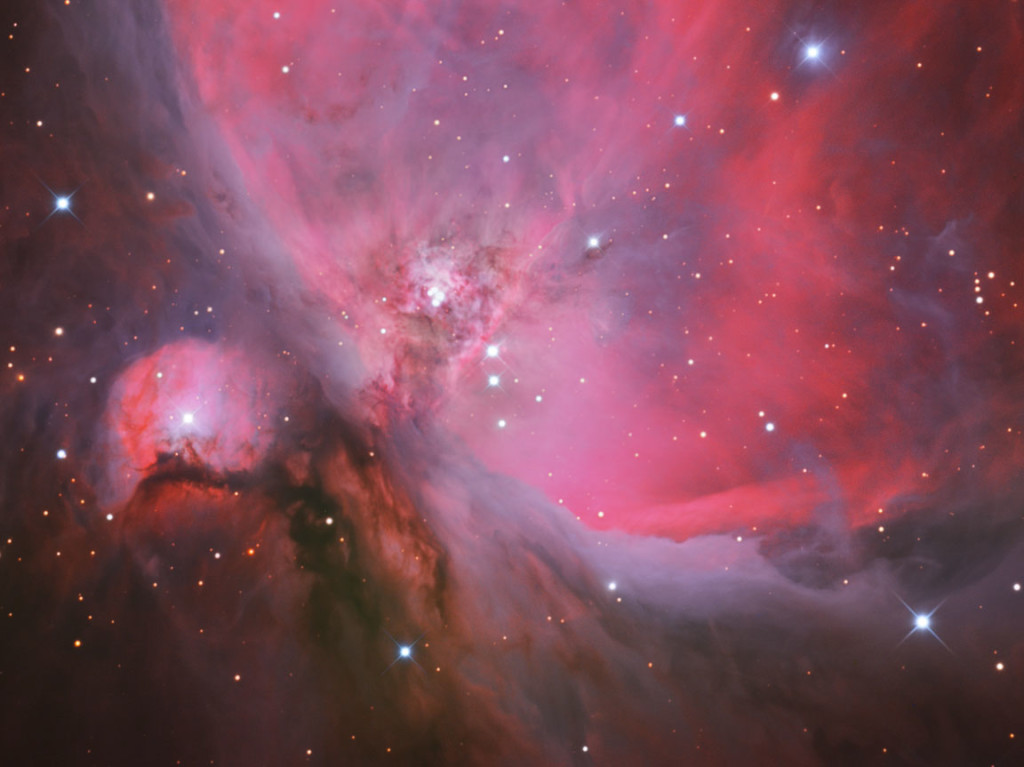
We collected color data (LRGB = luminance-clear filter, red-R, green-G and blue-B filters) for some objects so they took a bigger block of time. For example, we worked on the Orion Nebula for about an hour since we collected LRGB data at both 1 minute exposures and 5 minute exposures. Most shots were 5 minutes exposures with the camera binned 2×2 (medium resolution) all taken with the 14.5-inch f/9 Ritchey-Chrétien telescope and Apogee U16M CCD Camera at -20C. at Chiefland, Florida.
Click Image Below to Zoom
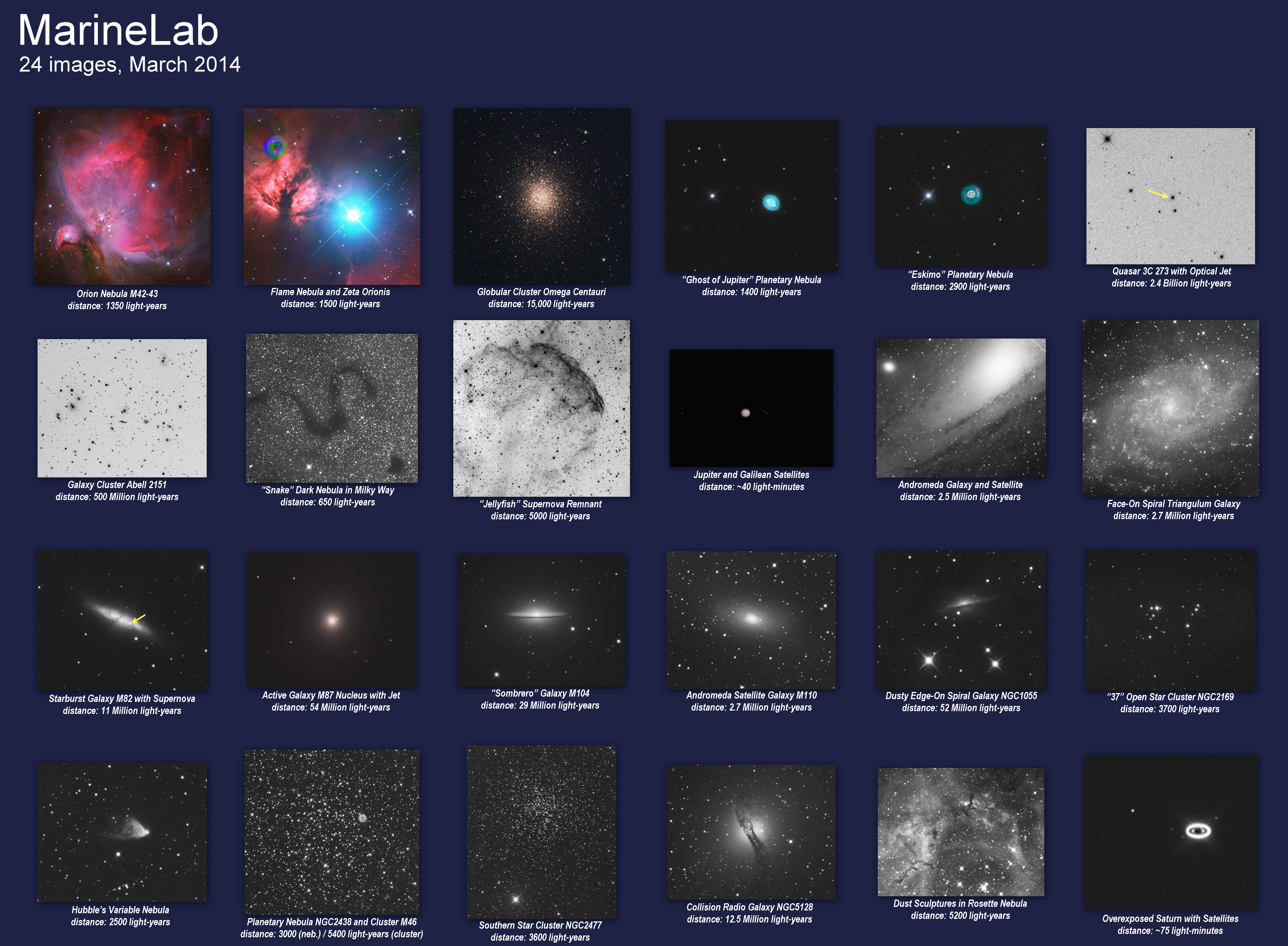
Images in Chronological Order
7:28PM — Uranus and moons
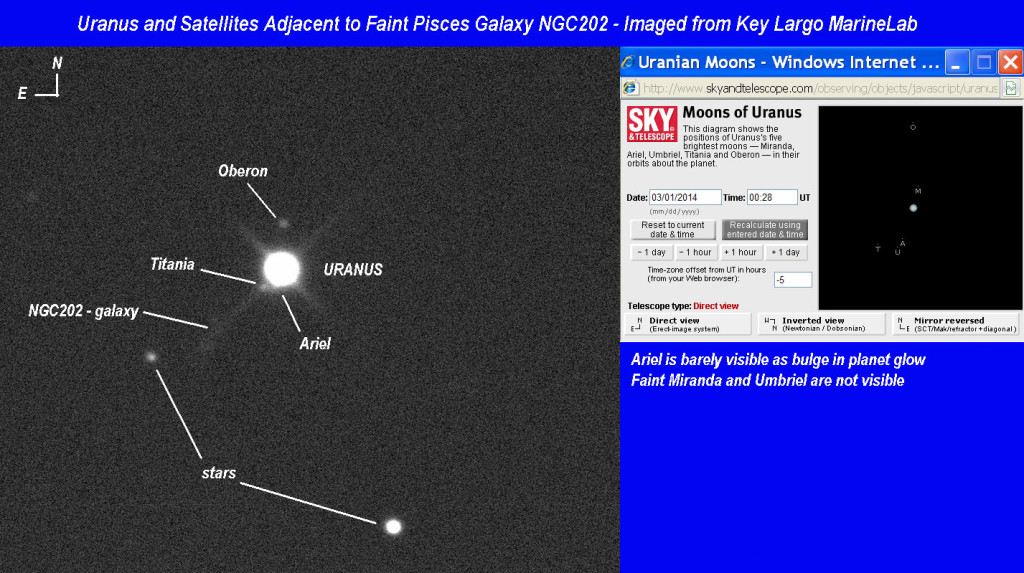
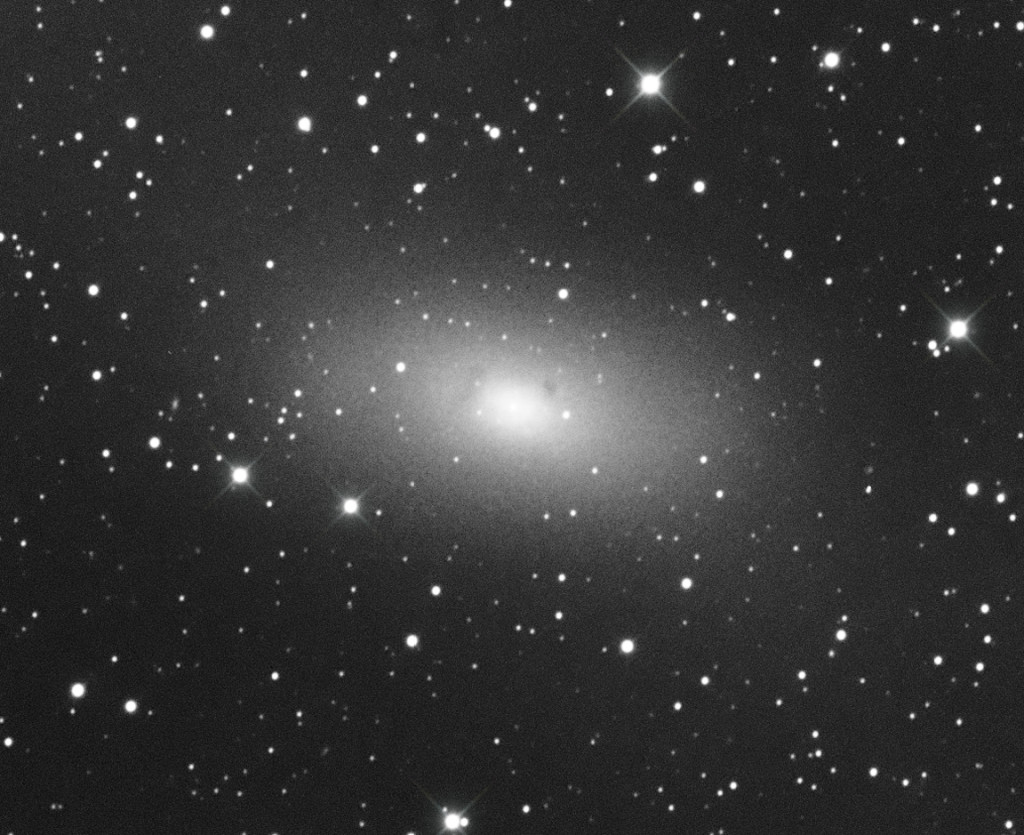
7:51PM — Galaxy M110
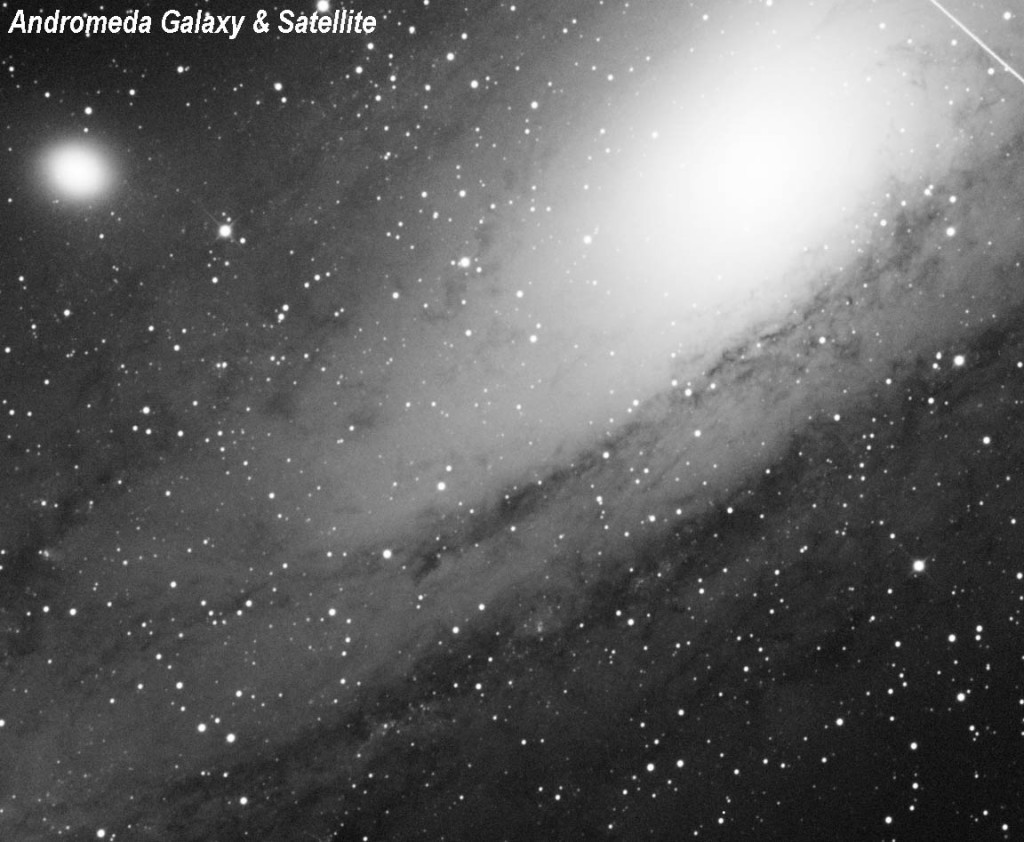
8:04PM — Galaxies M31 -M32
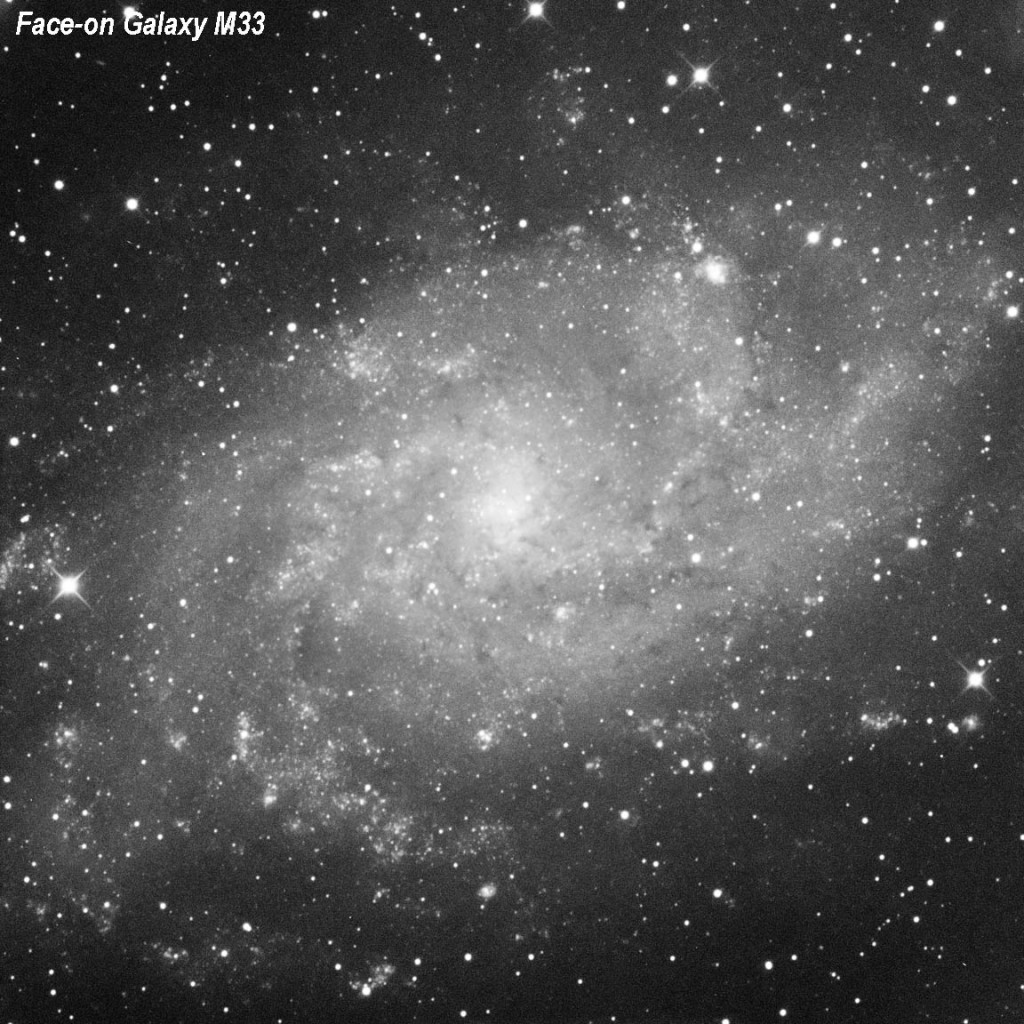
8:14PM — Face-on Galaxy M33
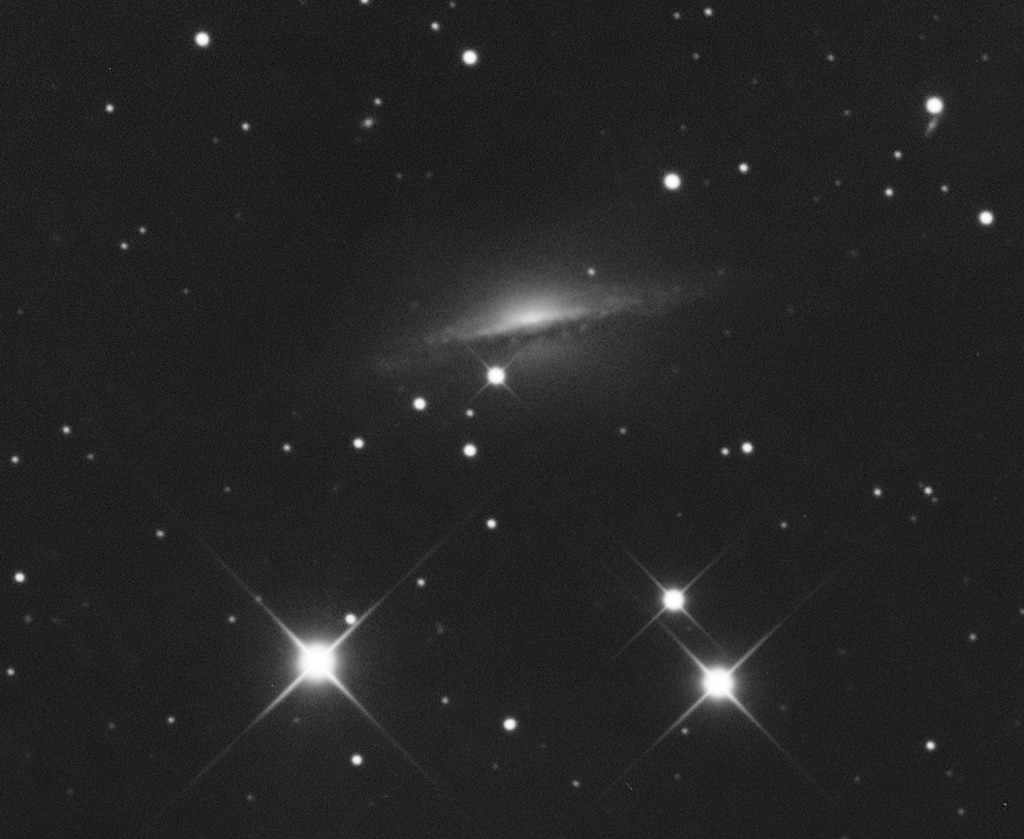
8:27PM — Dusty Galaxy NGC1055
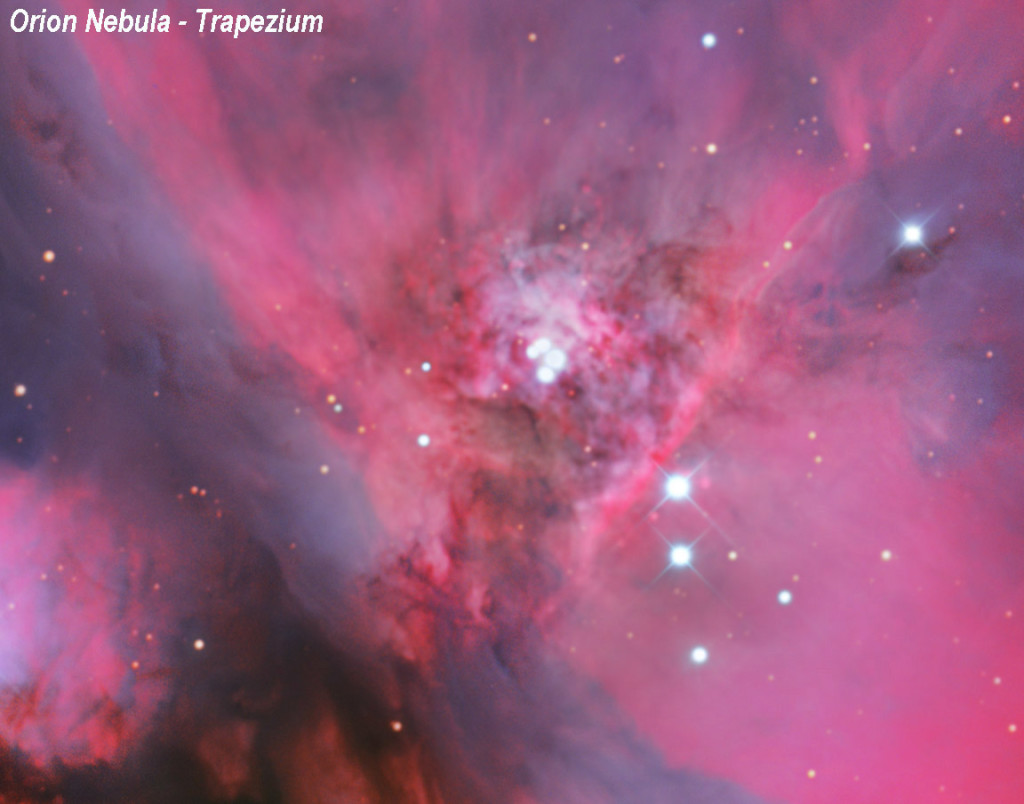
8:47PM — Orion Nebula (LRGB) – 1min. & 5min.; also SII
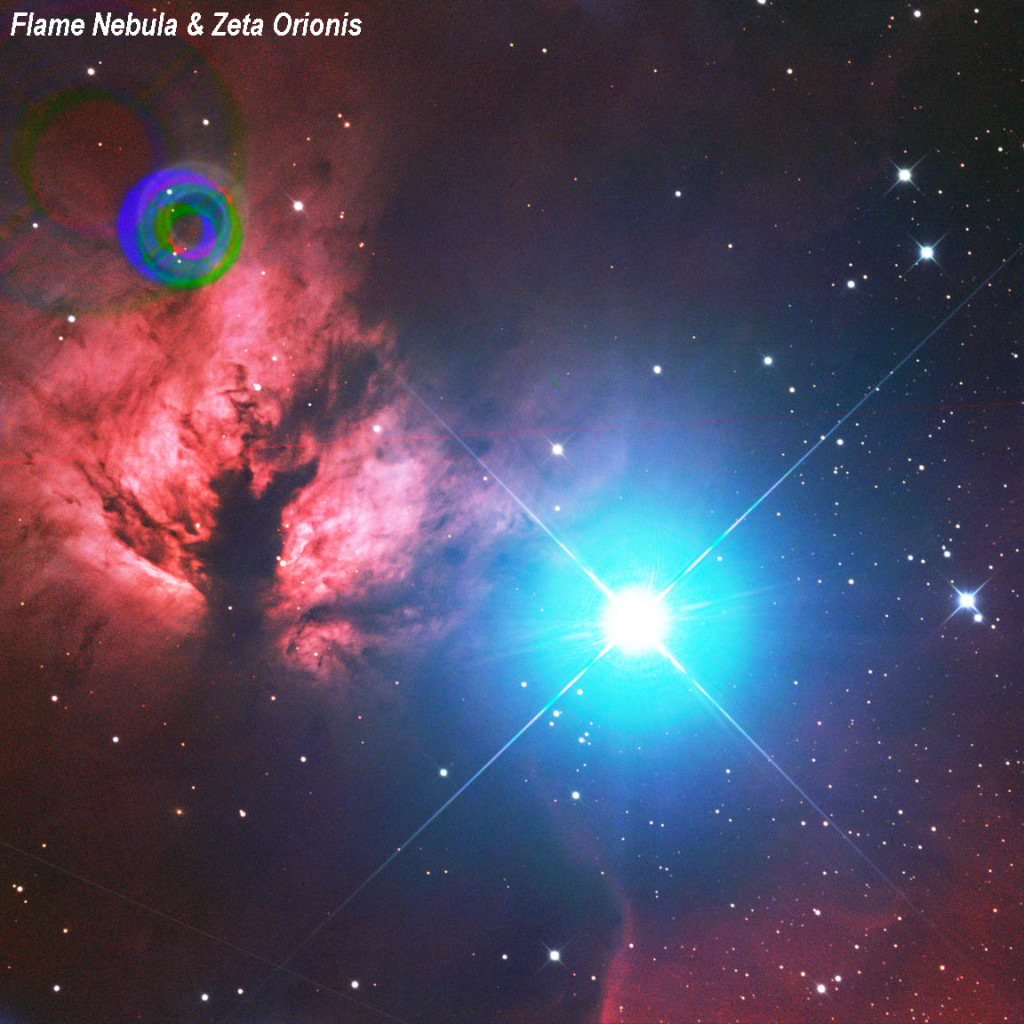
10:01PM — Flame Nebula (LRGB)
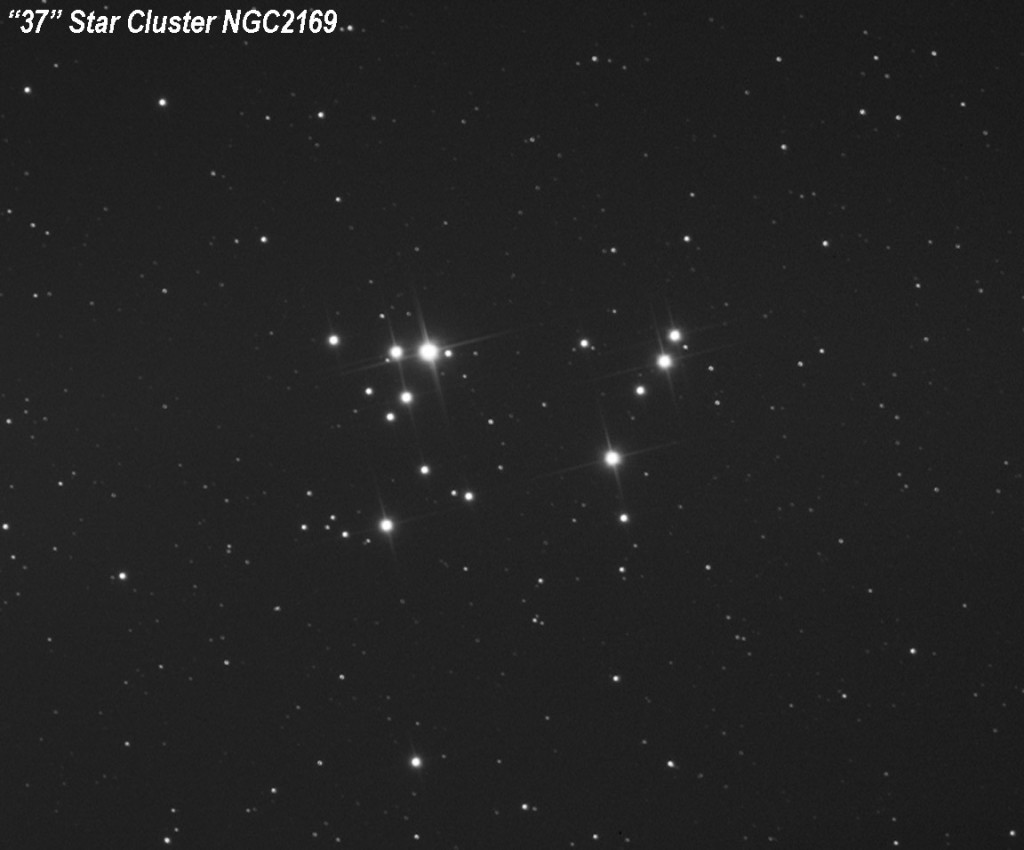
10:37PM — “37” Star Cluster NGC2169
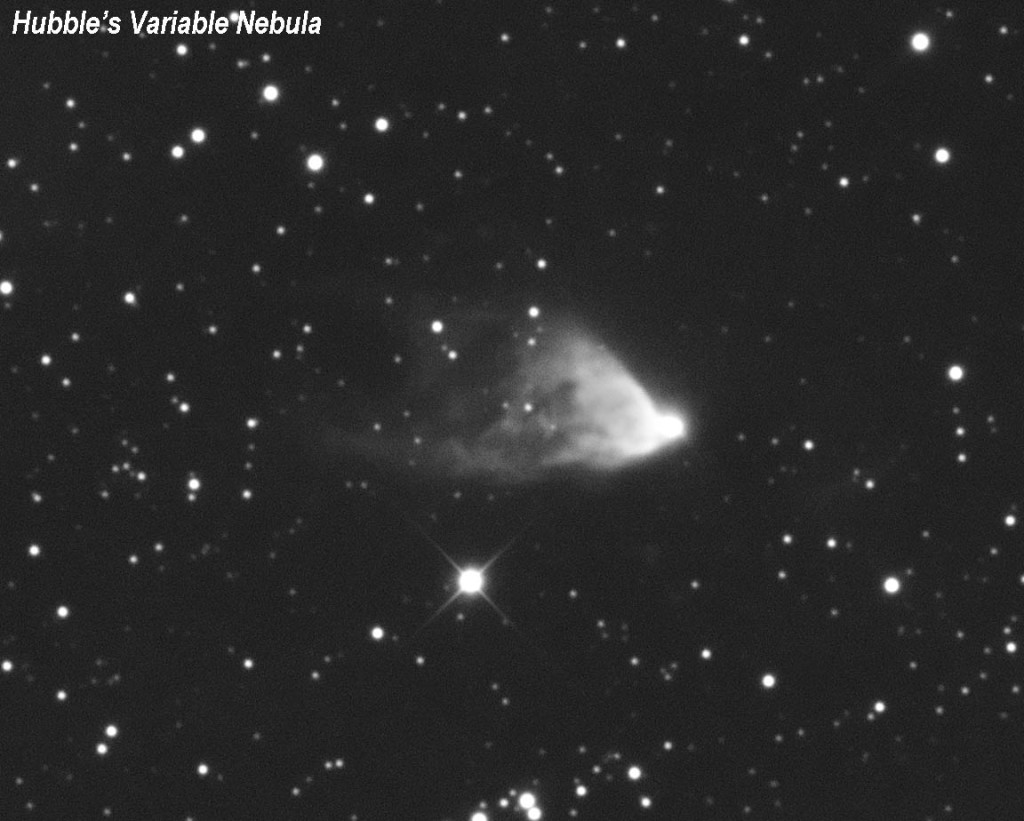
10:43PM — Hubble’s Variable Nebula
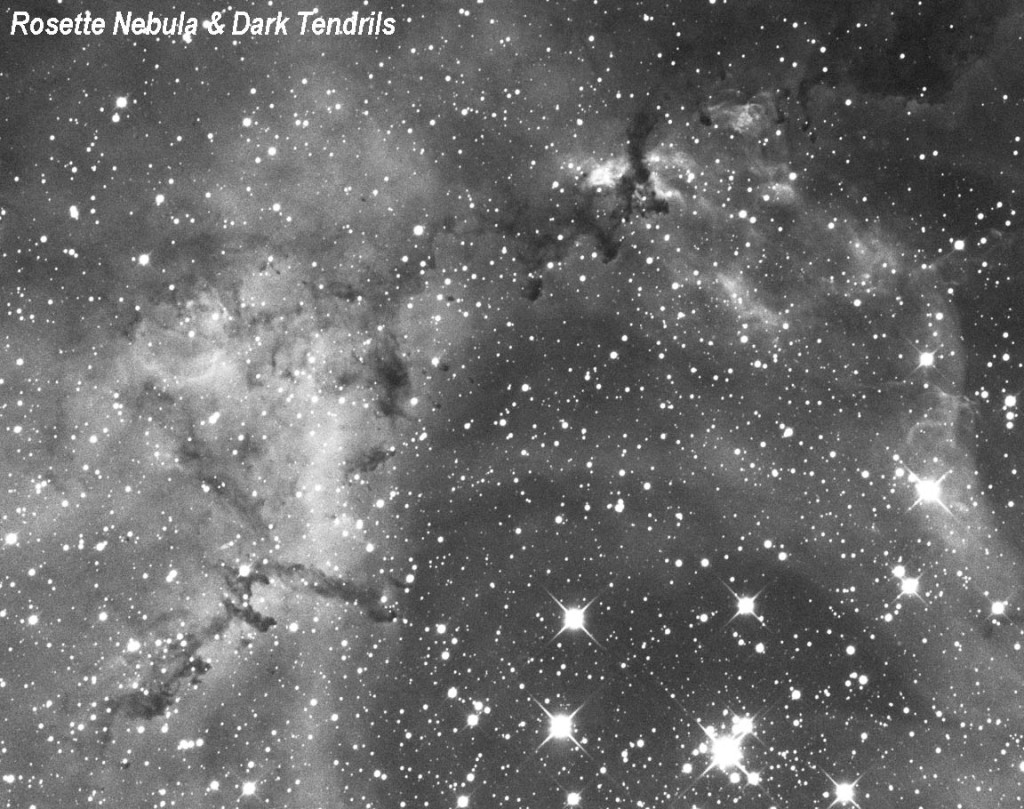
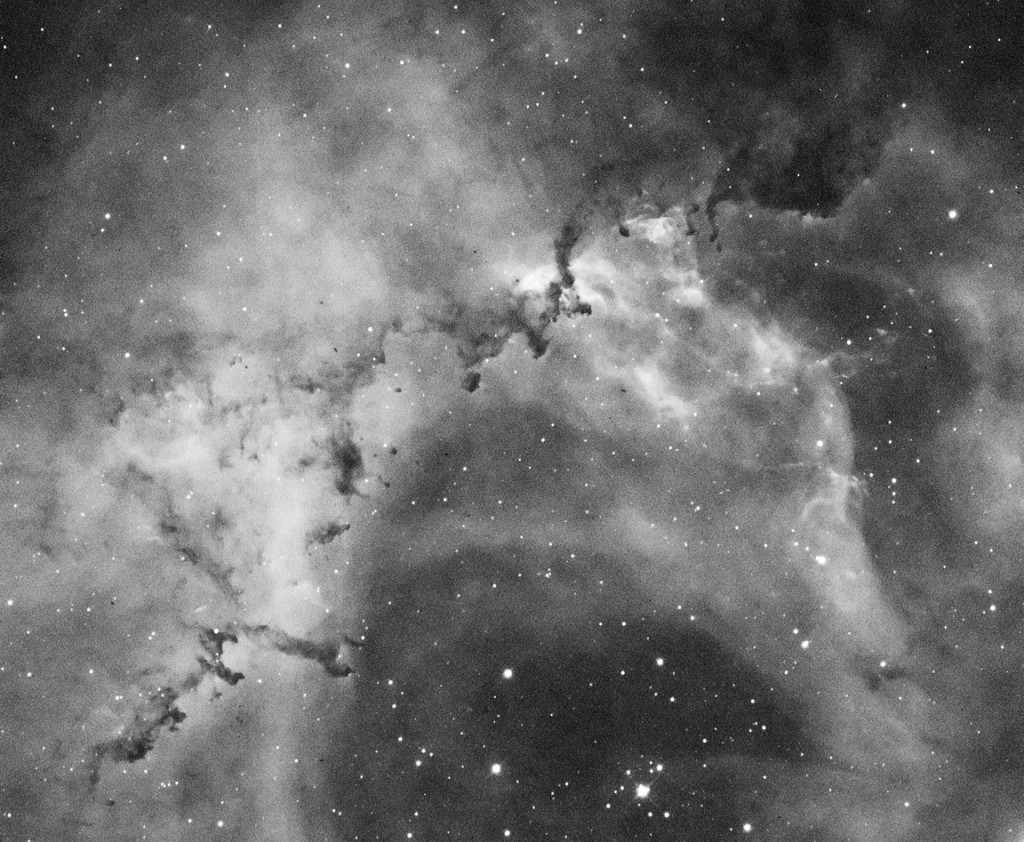
10:58PM — Rosette Nebula – also H-alpha
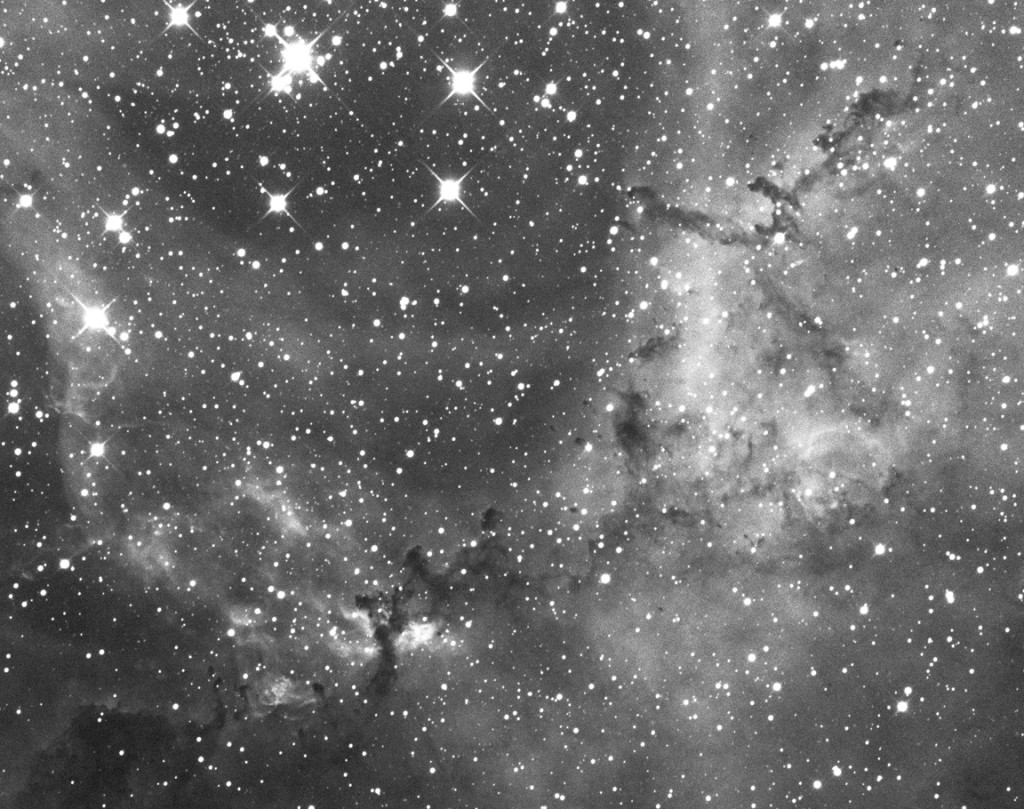
11:21PM — Star Cluster M46 with Planetary Nebula NGC2438
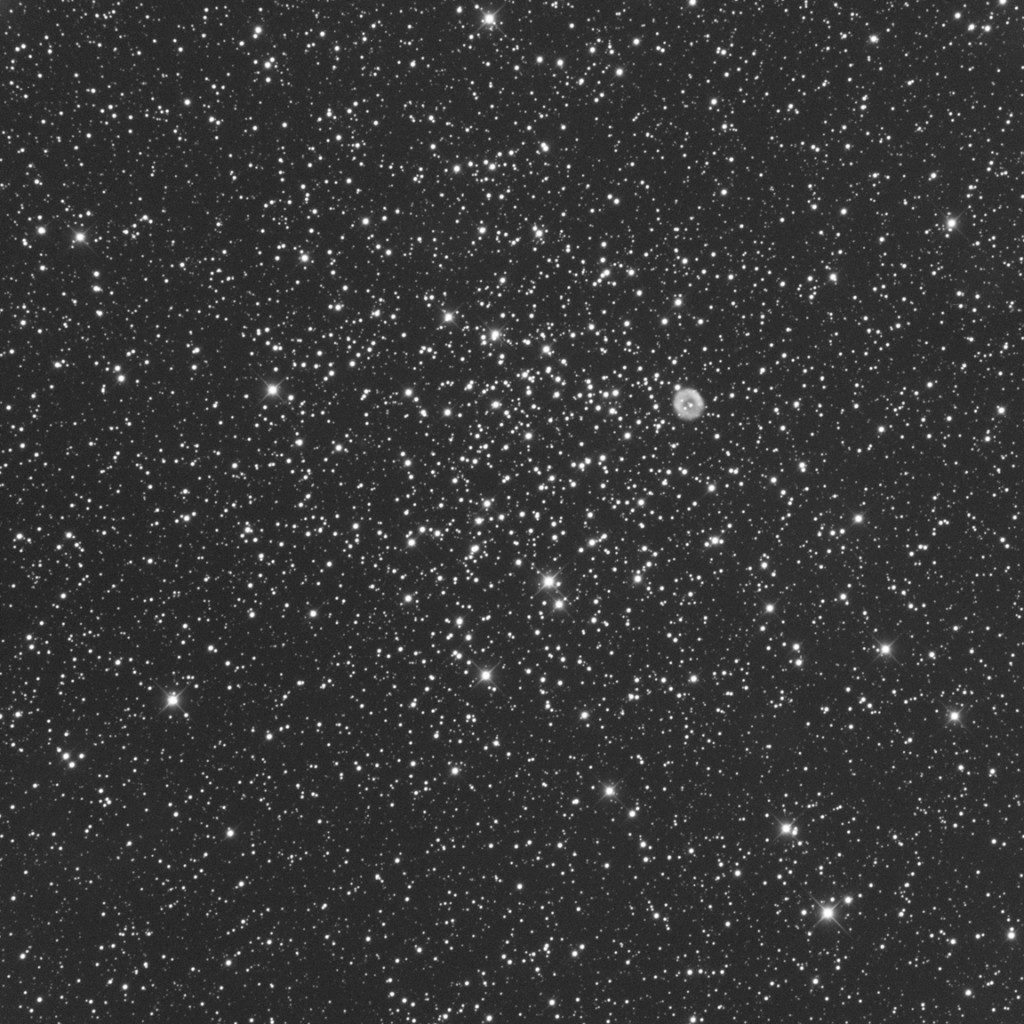
11:34PM — Southern Star Cluster NGC2477
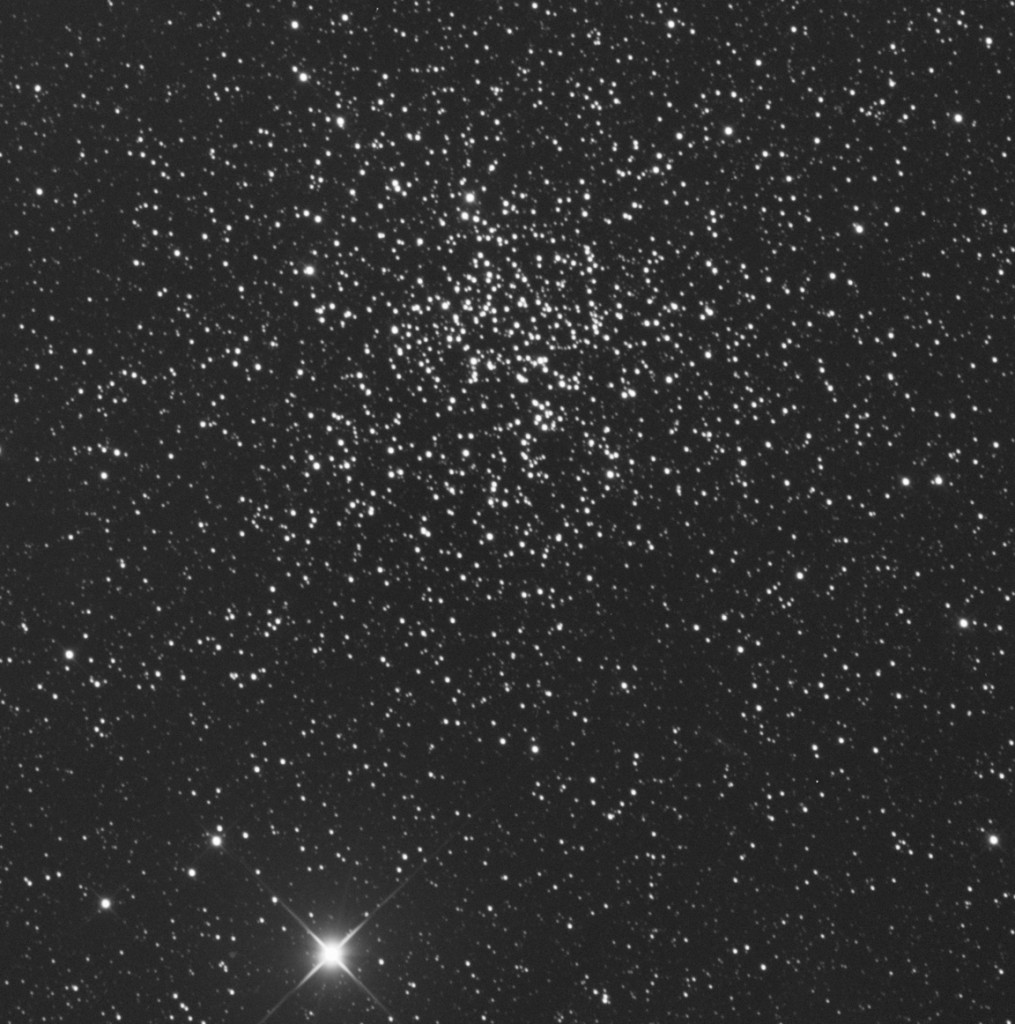
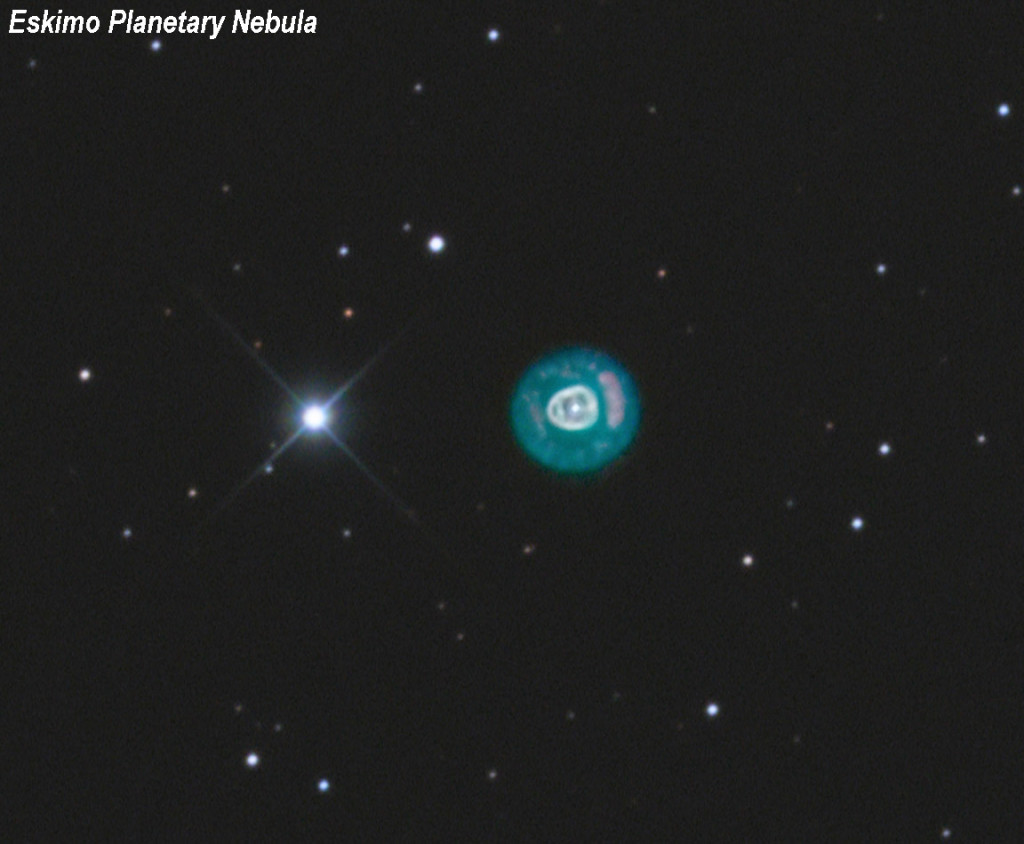
11:46PM — EskimoPlanetary Nebula NGC2392 (LRGB)
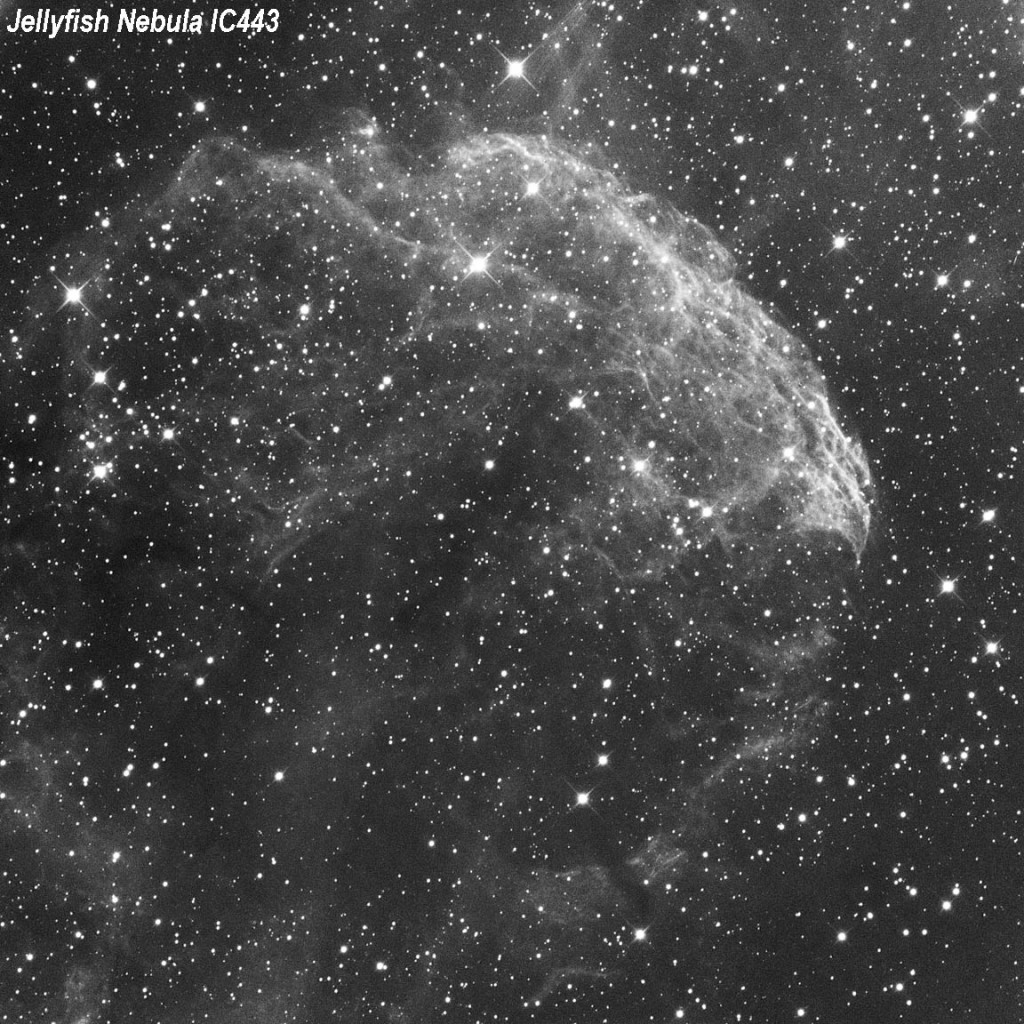
12:31AM — Jellyfish Nebula IC443
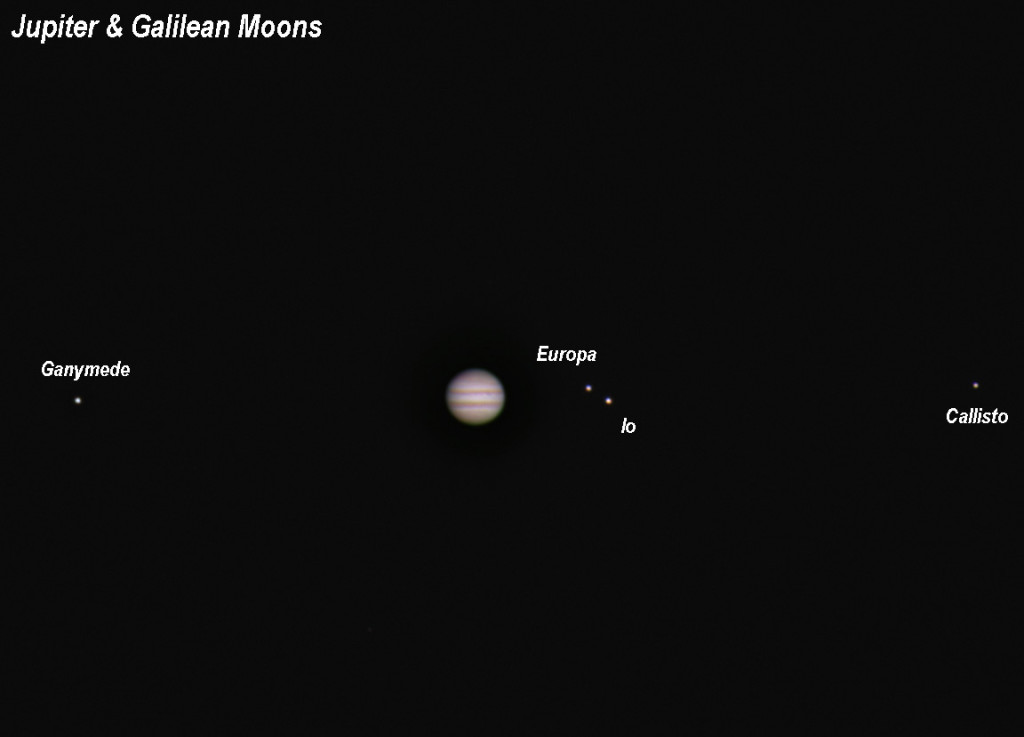
12:41AM — Jupiter and Galilean satellites (LRGB)
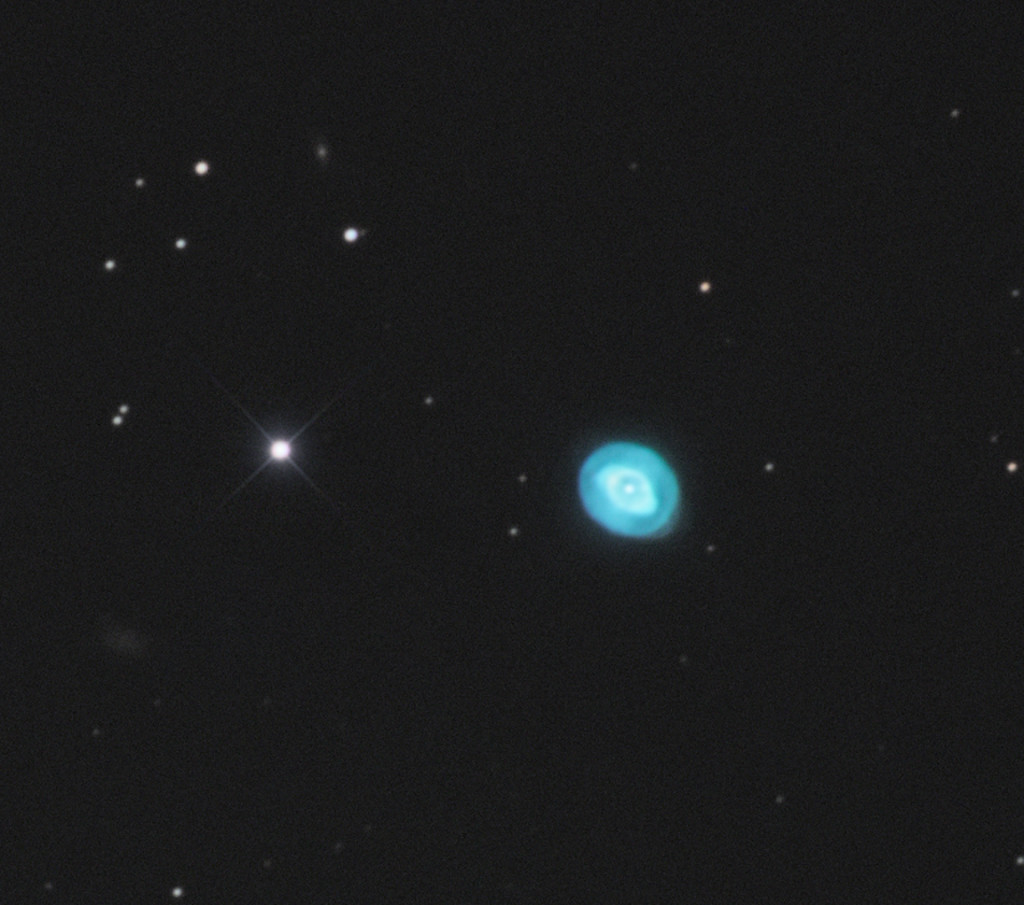
1:06AM — Ghost of Jupiter Planetary Nebula NGC3242 (LRGB)
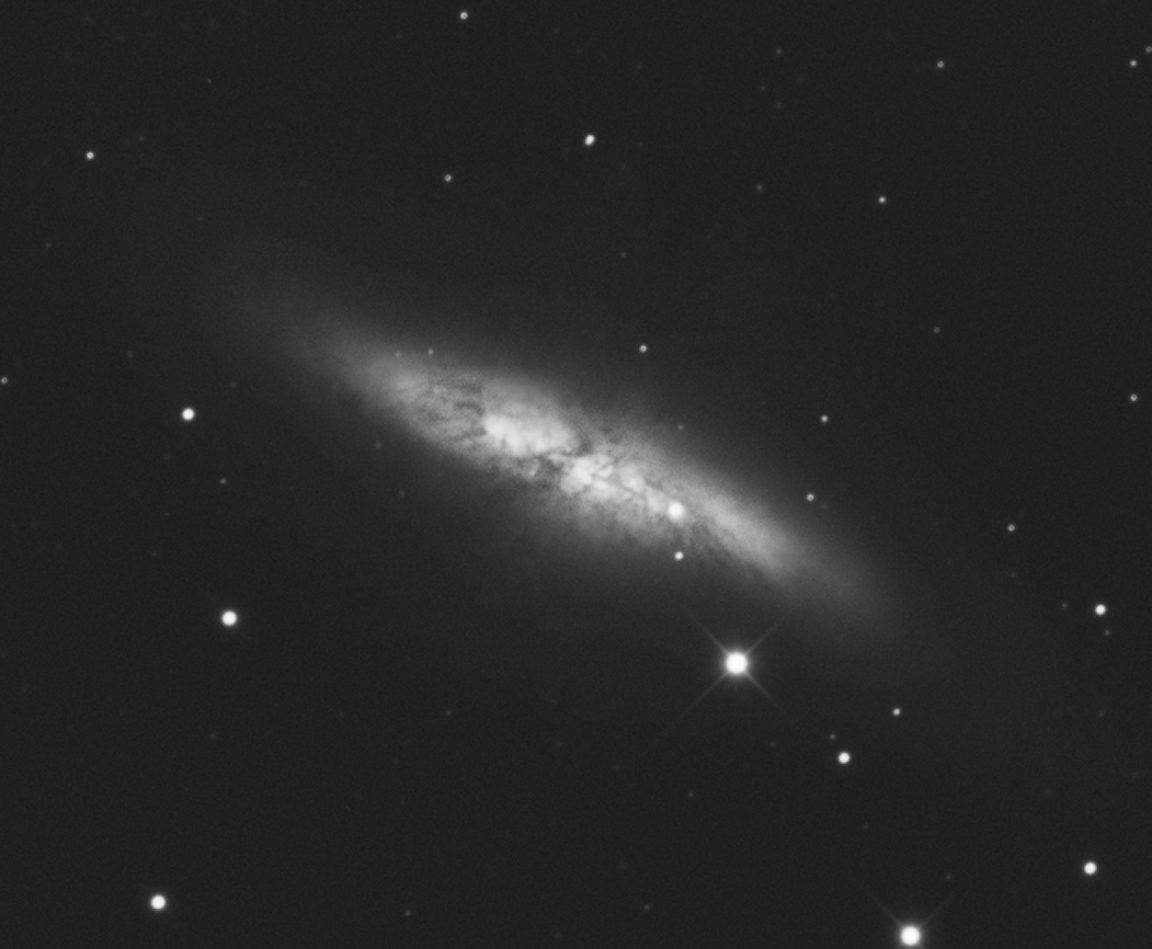
1:24AM — Supernova in Galaxy M82 (Mouse over image to spot SuperNova)
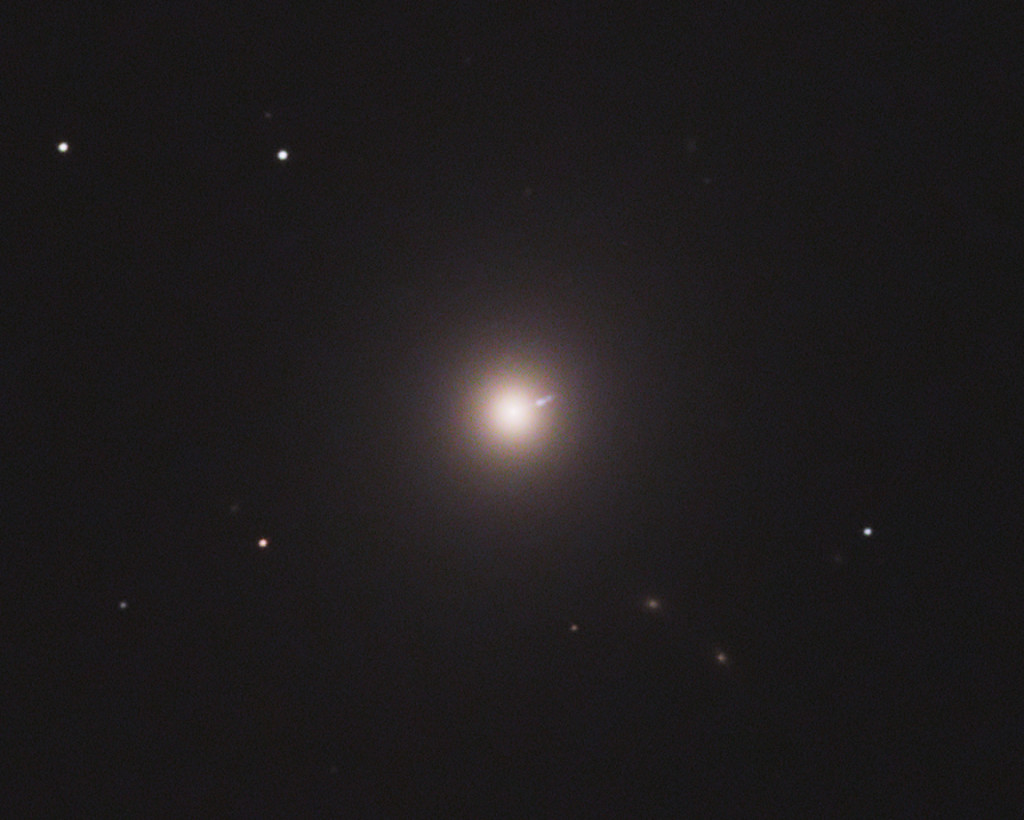
1:42AM — Galaxy M87 with Jet (LRGB)
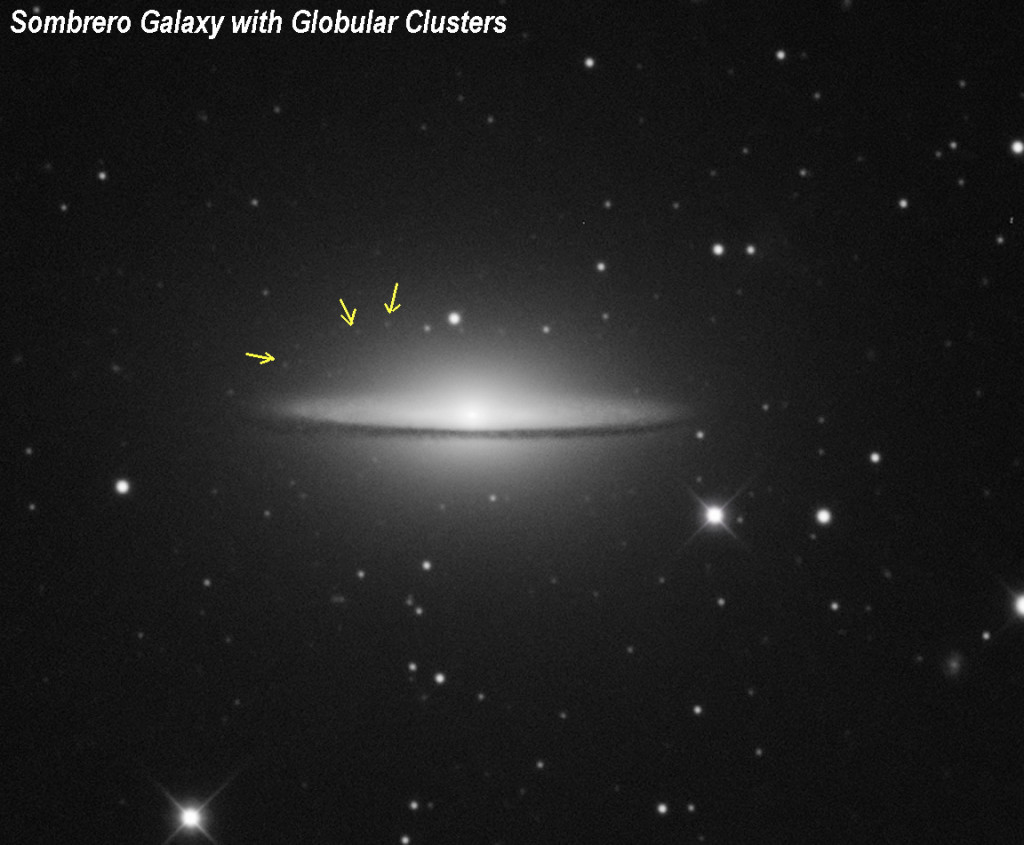
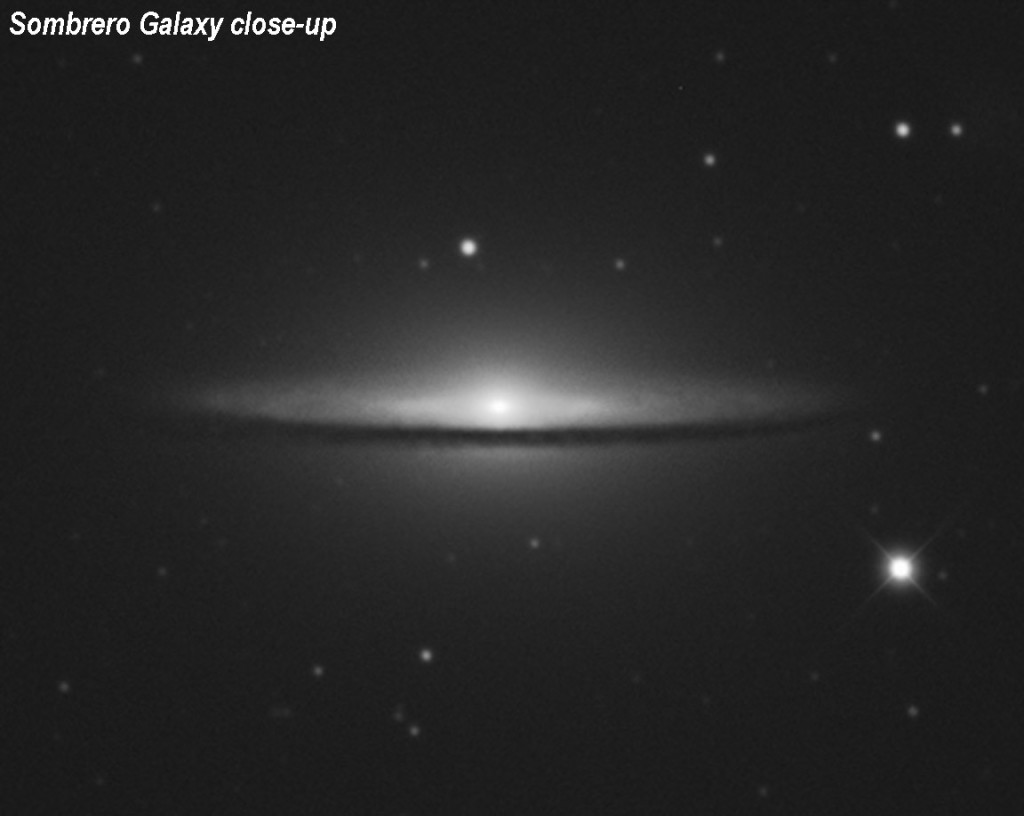
2:30AM — Sombrero Galaxy M104
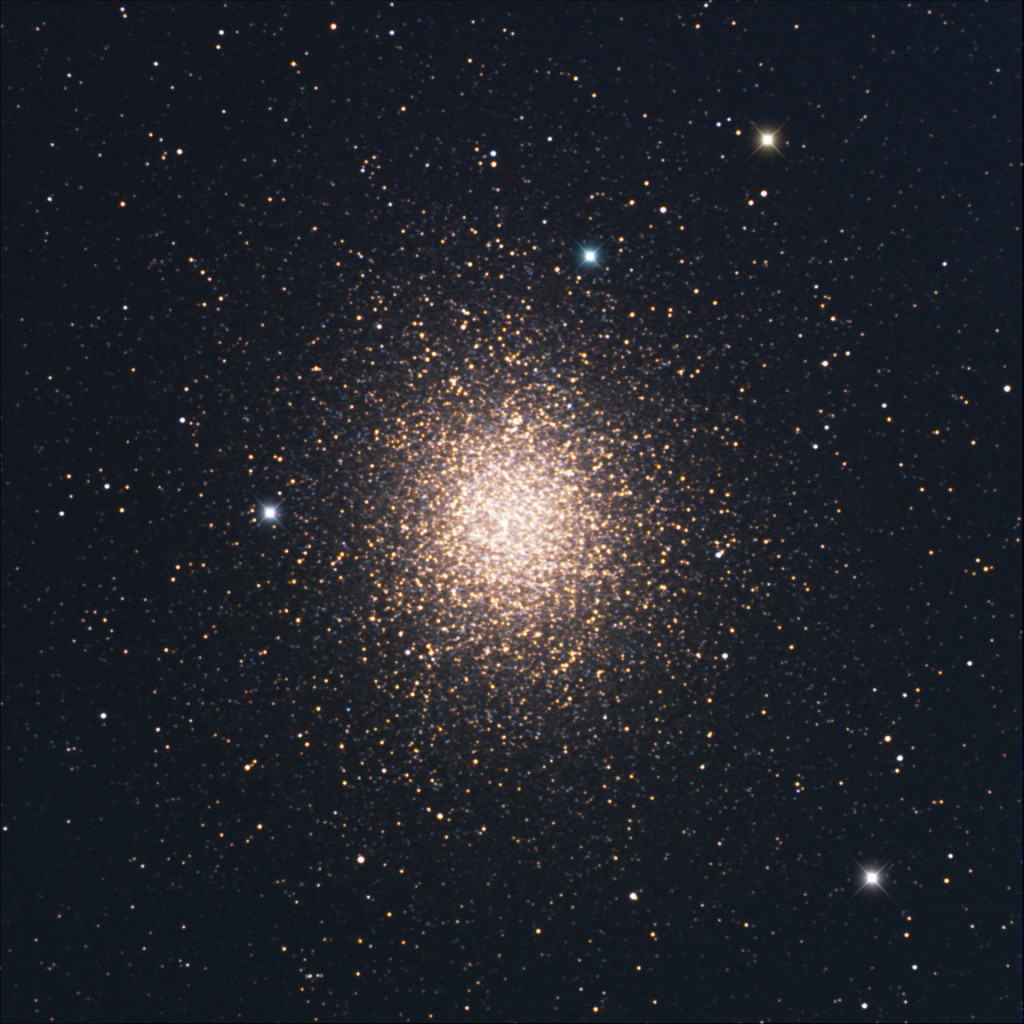
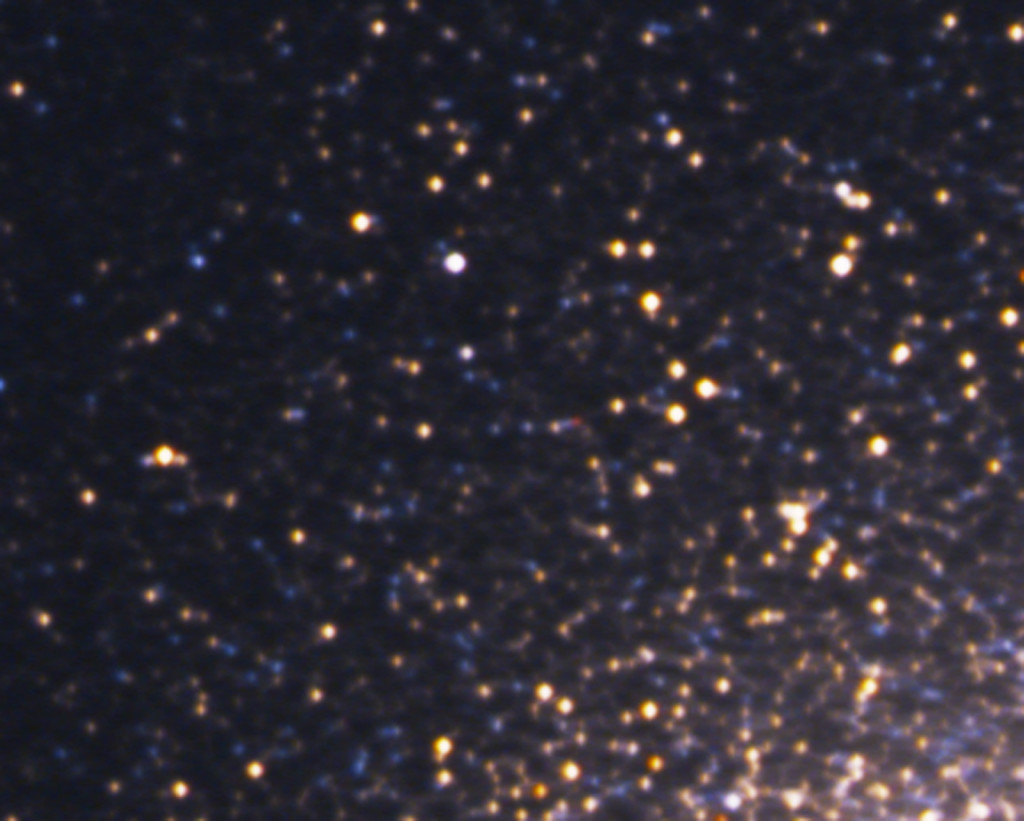
2:44AM — Globular Cluster Omega Centauri NGC5139 (LRGB)
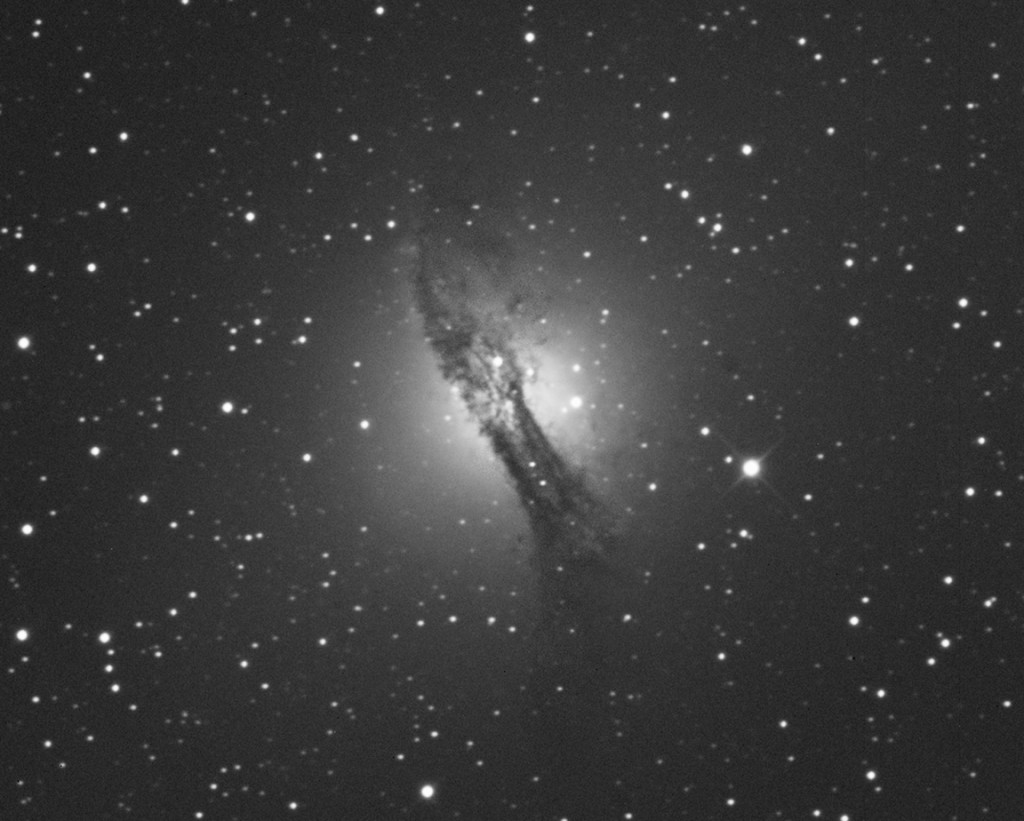
3:20AM — Radio-Galaxy NGC5128
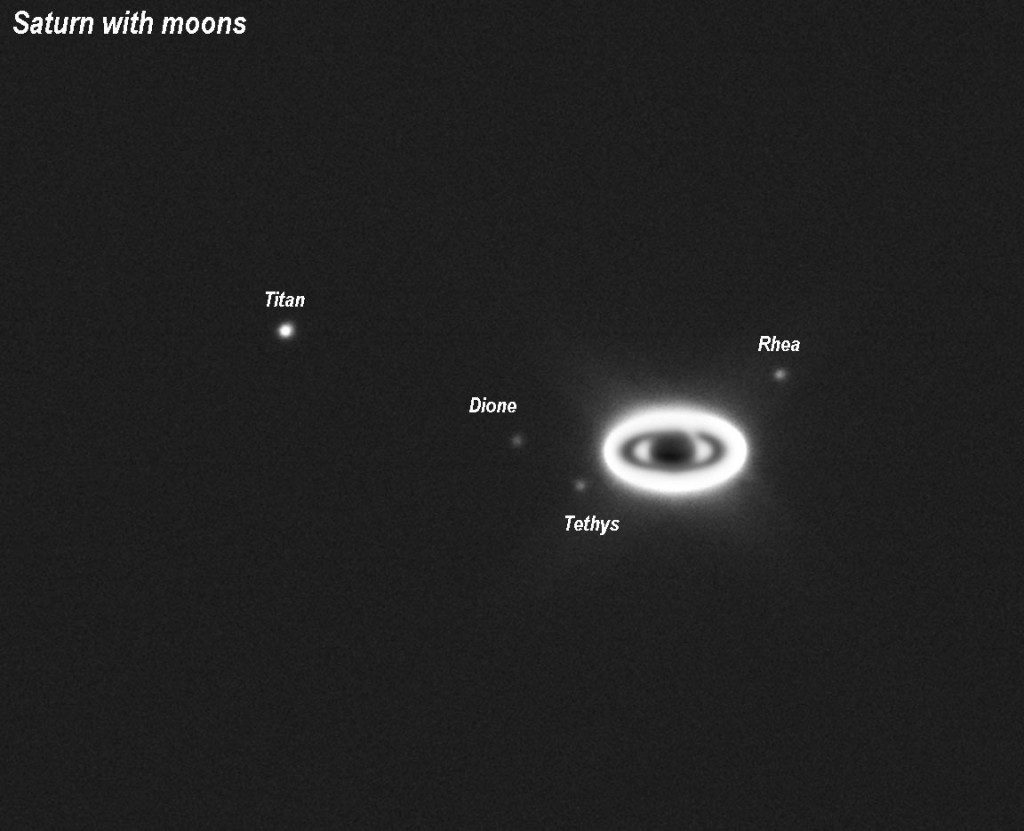
3:28AM — Saturn and moons
3:44AM — Galaxy Cluster Abell 2151
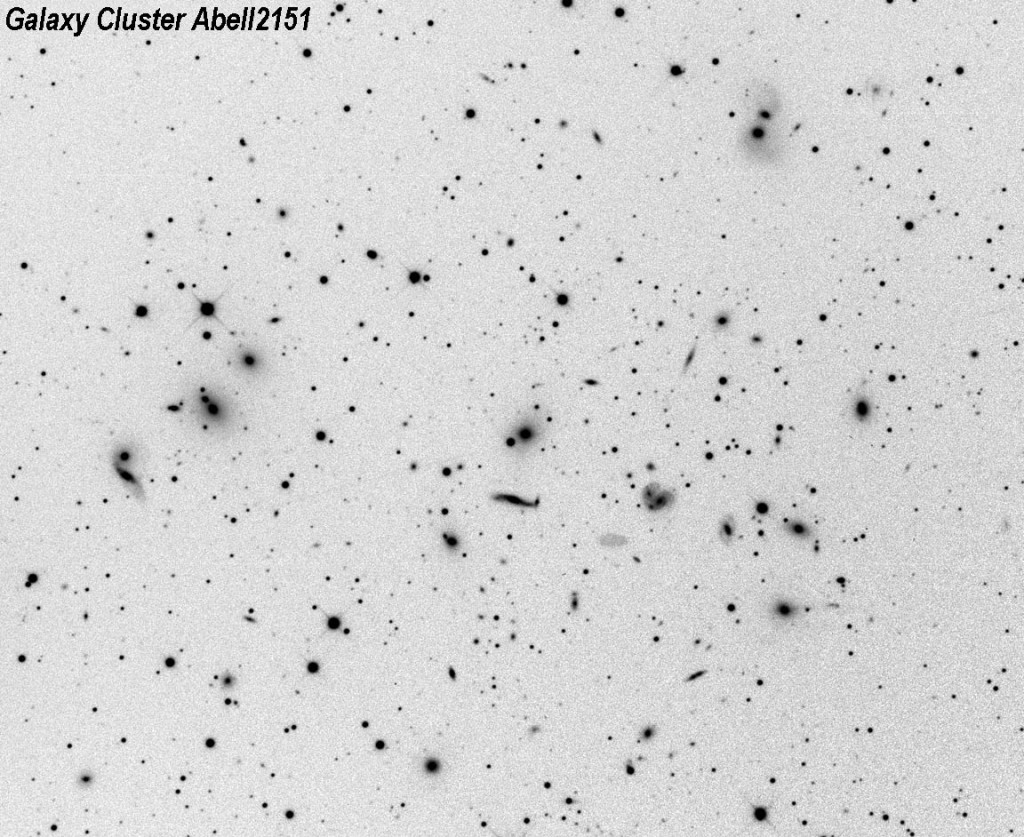
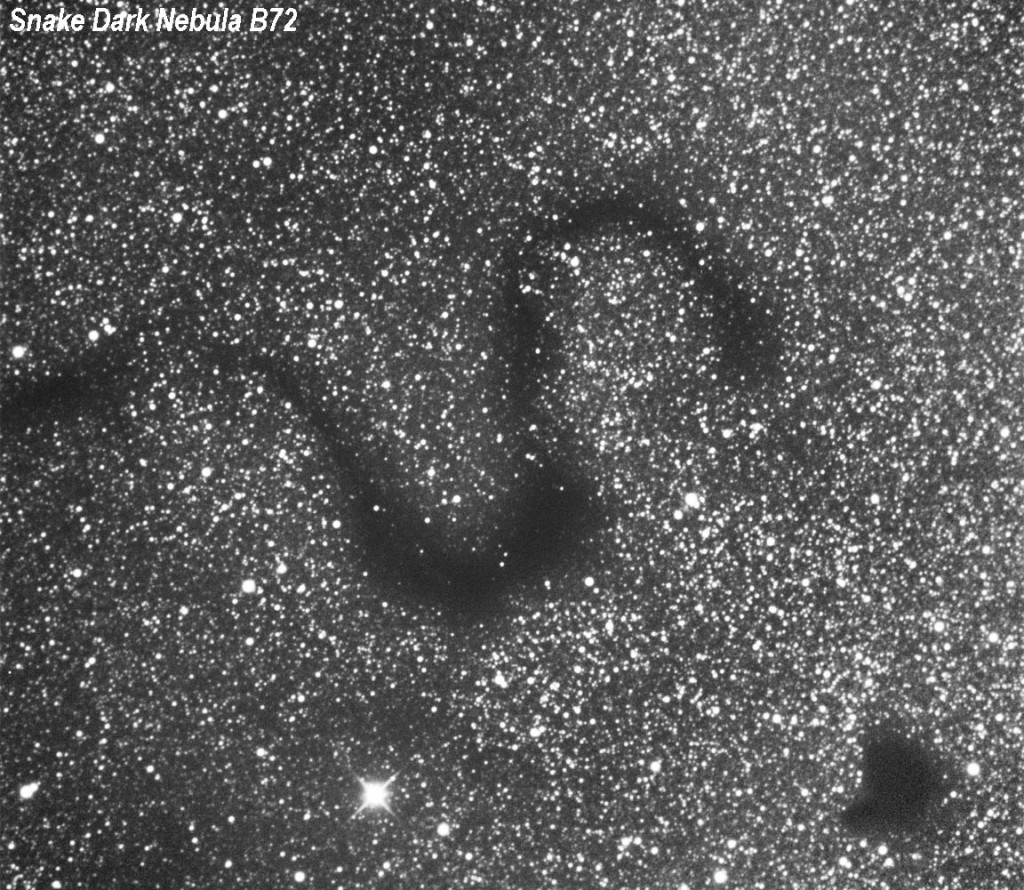
4:02AM — Dark Snake Nebula B72 in Summer Milky Way
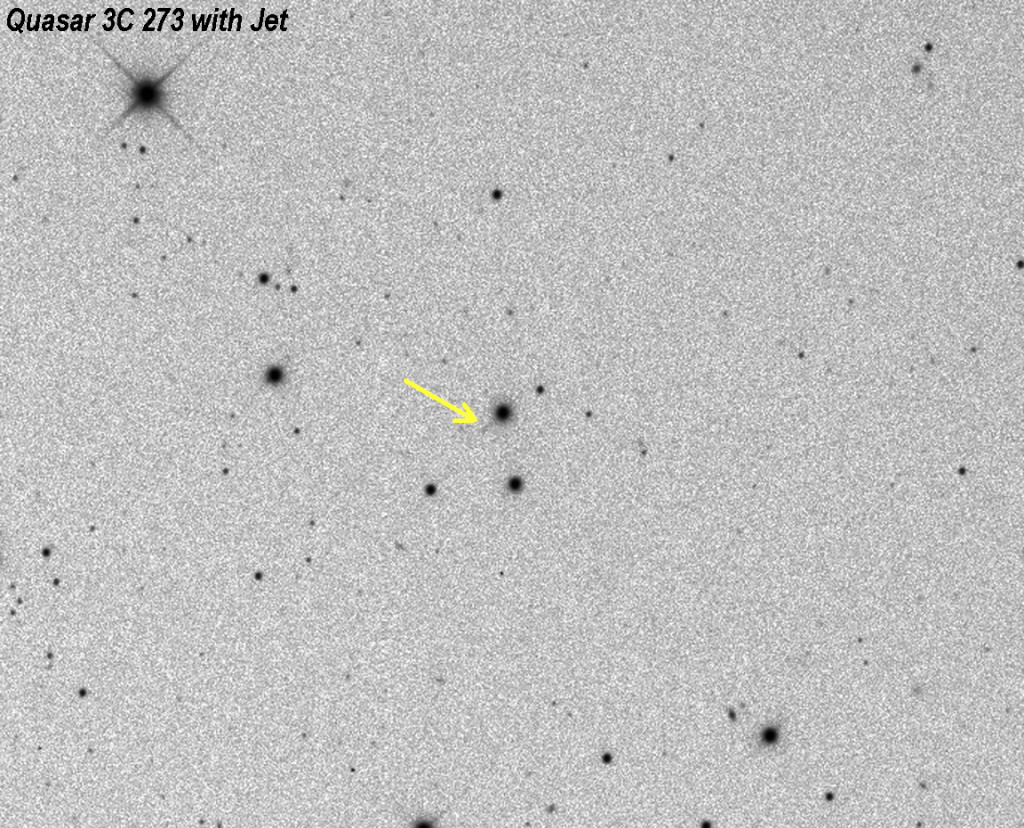
4:17AM — Distant Quasar 3C 273 with Jet
All Images Taken and Processed By: Bill Williams